
Artificial intelligence is no longer a distant concept. It has become part of everyday life, from creative projects and personal productivity to business and sustainable living. Over the past year, I explored some of the most influential AI books, from hands-on beginner guides to deep dives into agentic AI and societal impact. Each book offered a unique perspective on how AI can be applied thoughtfully, practically, and creatively.
Here are the ten AI books that left the biggest impression on me, why I found them valuable, and how they can help anyone curious about AI to engage meaningfully with technology.
1. AI Meets Thrifting: A Beginner’s Guide to Sustainable Shopping and Creative Upcycling
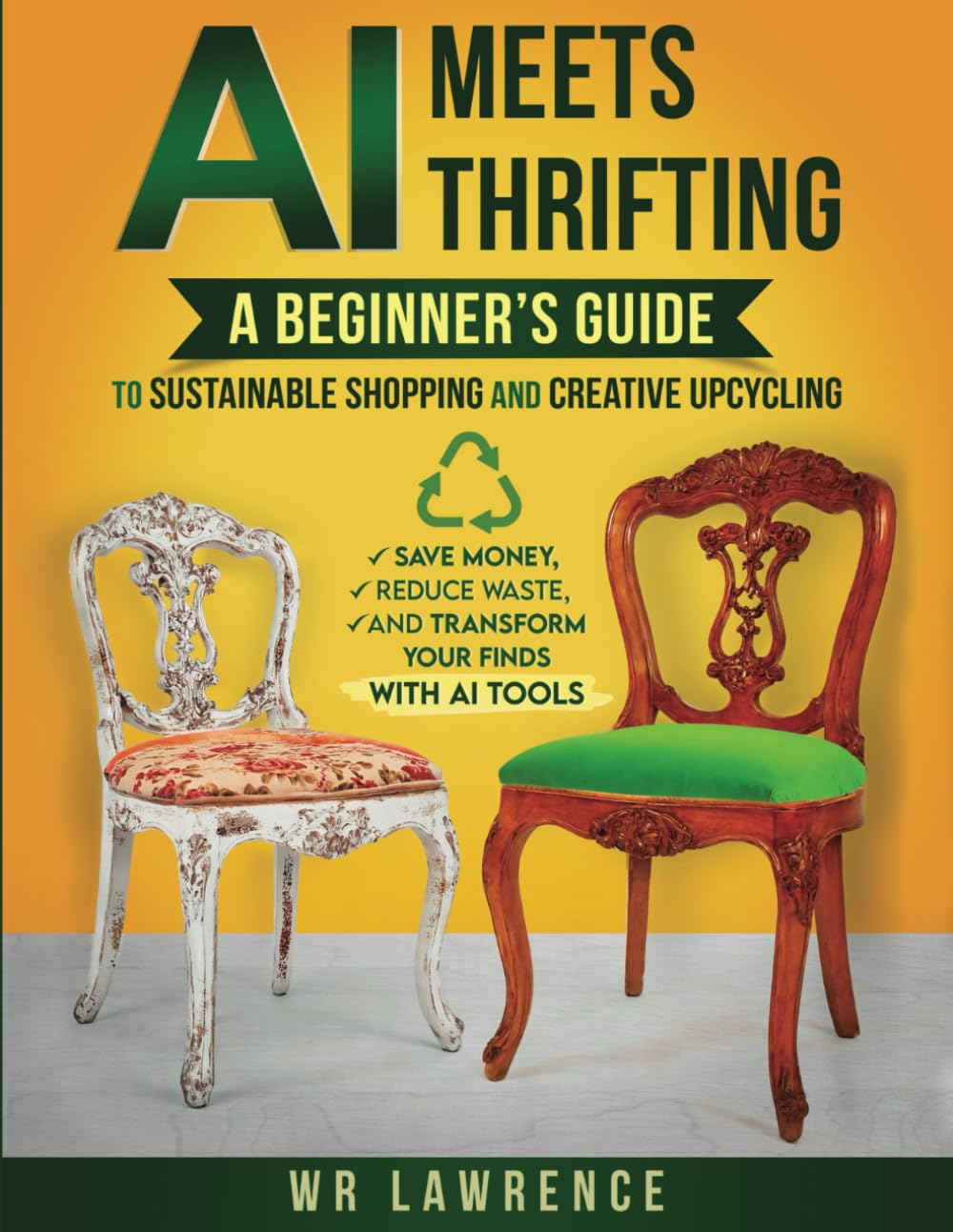
This book blends AI with sustainability in a way that makes technology tangible in everyday life. I read it to explore how AI could support creativity, reduce waste, and make smart shopping choices. It provides clear, practical steps for using AI tools to upcycle items and transform finds into functional and artistic pieces. Rated 4.6 out of 5 stars, readers highlight how approachable and inspiring the ideas are. This book demonstrates that AI can enhance creativity without being technical.
2. AI Made Easy: A 7-Day Beginner’s Guide to ChatGPT and Beyond

This beginner-friendly guide takes readers through a structured seven-day journey to understand AI tools without needing technical skills. Each day builds on the last with exercises that can immediately be applied to personal projects or professional tasks. I enjoyed experimenting with prompts and discovering how AI can streamline routine tasks. Rated 4.6 out of 5 stars, it transforms curiosity into hands-on skill and shows the practical side of AI learning.
3. AI Meets You: Guided Journal and Workbook for Personal Growth with AI

This guided workbook combines AI with personal reflection to encourage self-improvement and goal setting. I found it unique because it frames AI as a partner in growth rather than just a tool. The exercises guide users to track progress and apply AI creatively to daily routines. With a rating of 4.8 out of 5 stars, it offers a personal and introspective approach that is rare in AI books.
4. Co-Intelligence: Living and Working with AI

Ethan Mollick’s work explores how AI can enhance collaboration and decision-making. I read it to understand AI’s impact on teams and innovation, and I was impressed by its balance of theory and application. Rated 4.5 out of 5 stars, the book demonstrates that AI is a collaborative partner that can amplify collective intelligence and drive productivity.
5. Build Passive Income with AI – No Code? No Budget? No Problem
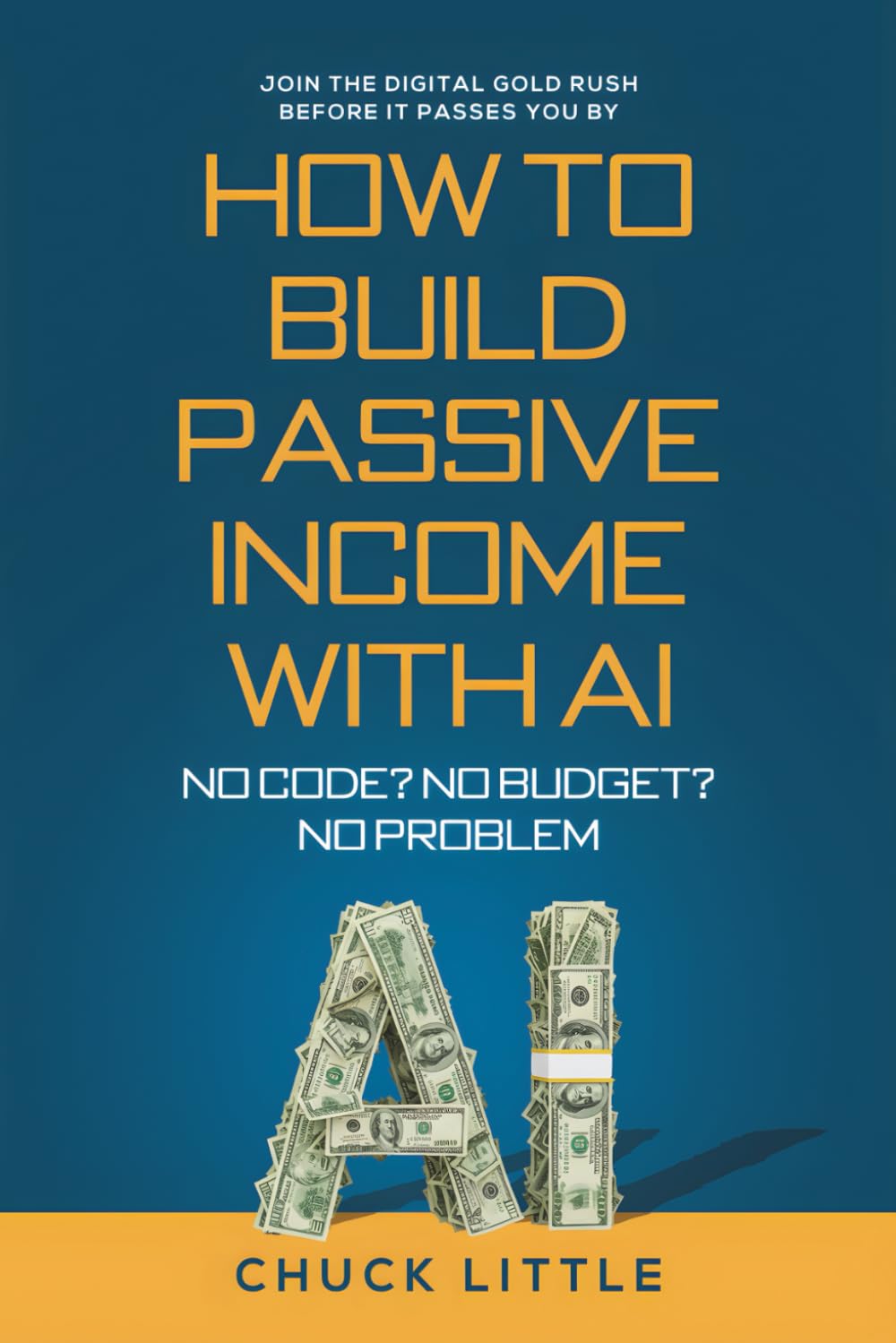
Chuck Little’s guide offers practical ways to create digital ventures with AI without requiring coding or large budgets. I was drawn to it for the insights into real-world AI applications for financial growth. Rated 4.5 out of 5 stars, it includes case studies, step-by-step instructions, and ideas for side projects. This book is a reminder that AI can create opportunities for experimentation and creative entrepreneurship.
6. The ChatGPT Millionaire: Making Money Online Has Never Been This Easy
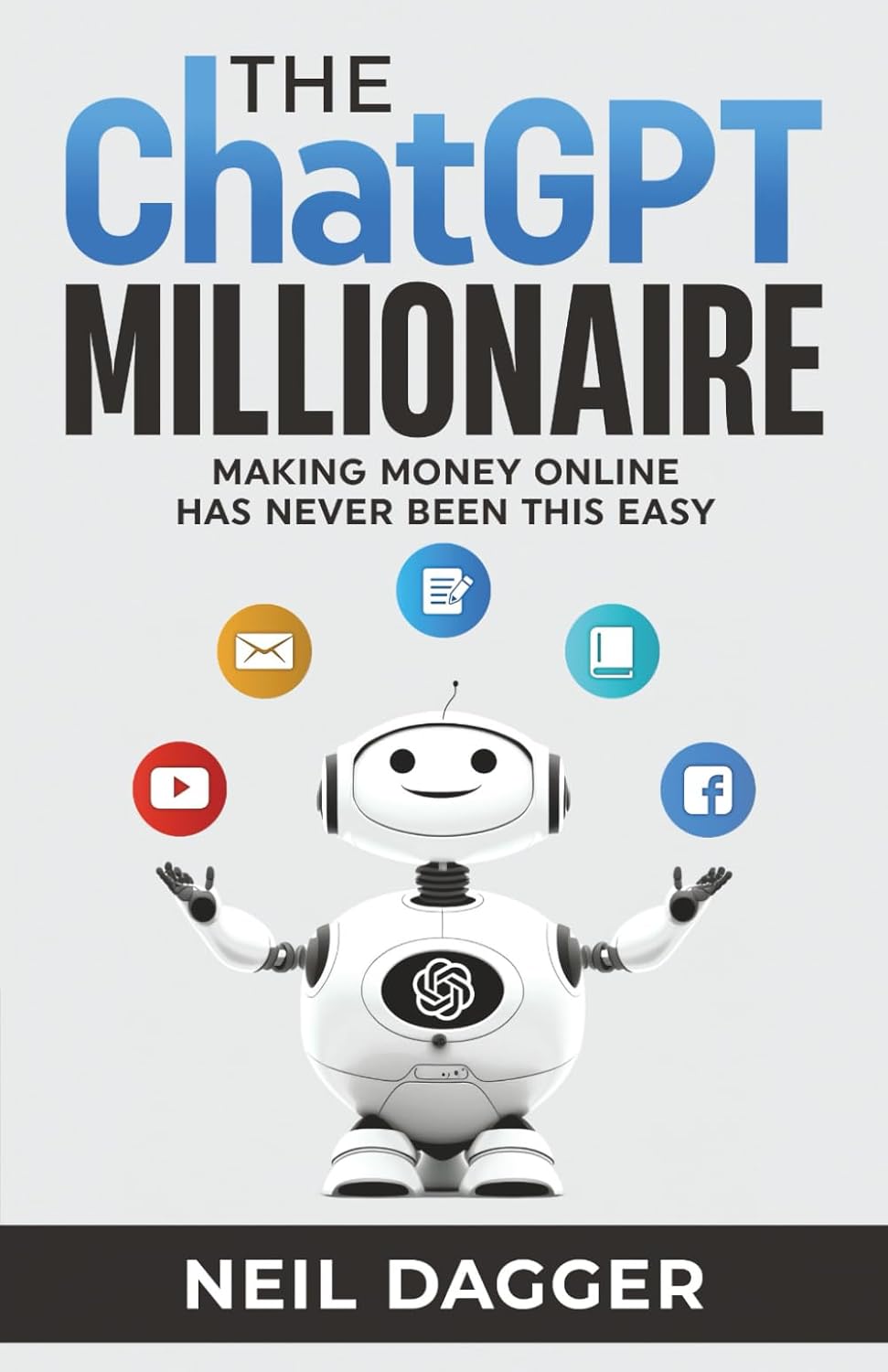
Neil Dagger’s book presents a practical approach to generating online revenue through AI. I appreciated its storytelling style combined with clear steps that show how AI can be applied in real business scenarios. Rated 4.1 out of 5 stars, it demonstrates that AI is not only about automation but also about creating value in digital projects.
7. The AI Workshop: Complete Beginner’s Guide to AI
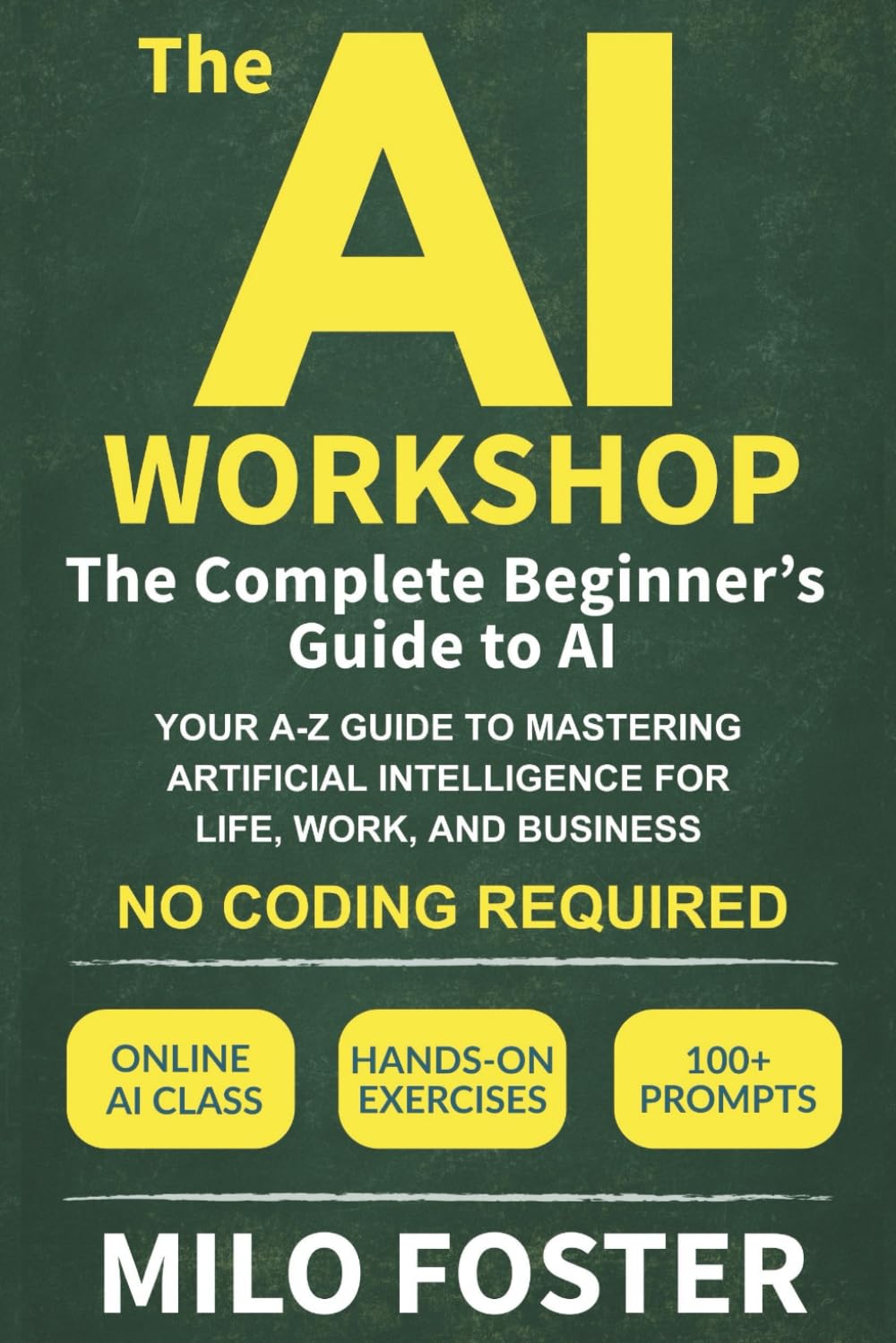
Milo Foster makes AI accessible for beginners, guiding readers through concepts and exercises without overwhelming technical jargon. I found it especially helpful for turning abstract AI ideas into actionable skills. Rated 4.4 out of 5 stars, this book encourages hands-on experimentation and practical learning for anyone starting their AI journey.
8. Empire of AI: Dreams and Nightmares in Sam Altman’s OpenAI

Karen Hao’s investigative book reveals the inner workings of OpenAI and its societal implications. I read it to understand the human and ethical dimensions of AI. Rated 4.4 out of 5 stars, it explores leadership decisions, innovation challenges, and ethical dilemmas, giving readers context about the forces shaping AI development.
9. The Coming Wave: AI, Power, and Our Future

Mustafa Suleyman and Michael Bhaskar provide a broad perspective on the impact of AI across society and economy. I was drawn to it for its focus on strategy, responsibility, and long-term implications. Rated 4.3 out of 5 stars, it helps readers think critically about how AI influences power, policy, and global innovation.
10. The Ultimate Generative AI For Beginners Collection: The 3-in-1 Guide to Learn AI, Deep Learning & ChatGPT in Just Minutes a Day with Hands-On Projects

This 3-in-1 guide by Jordan Blake combines generative AI, deep learning, and ChatGPT projects. I found it extremely practical because it breaks down complex concepts into exercises that anyone can try. Rated 4.7 out of 5 stars, it offers hands-on learning and encourages readers to experiment with AI in meaningful ways.
Why AI Meets Thrifting Stands Out
AI Meets Thrifting is my top recommendation because it takes AI beyond abstract concepts and technical frameworks. I read it to explore how AI could enhance everyday creativity and decision-making, and what makes it compelling is its practical approach. The book includes step-by-step AI tools, money-saving strategies, and sustainable practices that readers consistently praise. With a 4.6-star rating, it shows that AI can be approachable, actionable, and even fun. If you are looking for a book that blends innovation, sustainability, and personal creativity, this is the one that makes AI relatable and usable in everyday life.